Wednesday, June 3, 2020
Monday, June 1, 2020
Ronco Lorenzo, A Phenomenal Man, RIP MAY 2020
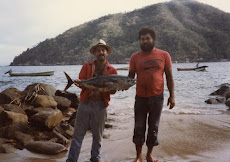
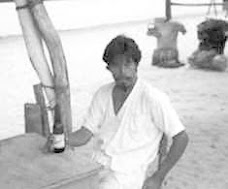
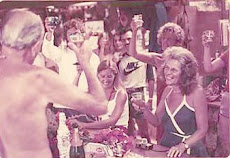
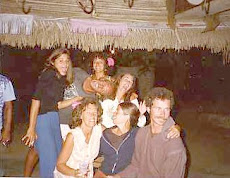
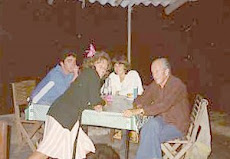
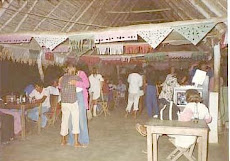
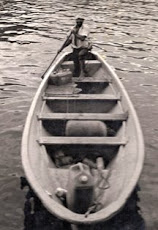
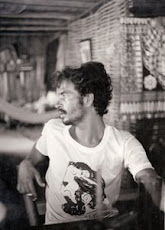
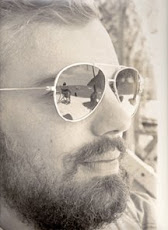
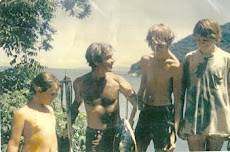
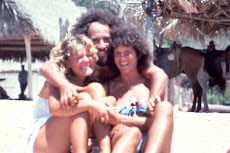
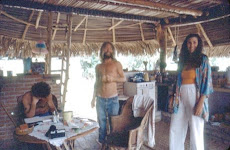
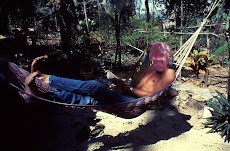
I am sure everyone has that one person that you looked up to in life and respected other than family.That person was Ronco, a Mexican from the small village of Yelapa.I met Ronco in the mid 70s. He was a man of very few words, but was a phenomenal teacher to me regarding boating and fishing.Also the way of life for a Mexican Indian from Yelapa. I arrived to Yelapa not speaking a word of Spanish or how to fish in the ocean. I was clueless to their ways. But Ronco and his wife Ann had extreme patience with me and taught me the ropes. Eventually I was as close to being a Mexican without have their blood. Ronco was a amazing mentor, to this day we would have fish on our line and he would know exactly what species of fish it was with seeing it. Roncos true talent was Diving with compressed air hoses. He was the king of Lobster divers and speargun fishing for huge Grouper and Pargo. He would stay down for hours. his brothers would have to go underwater to tell him time for a break. I had Ronco up to Connecticut in the 80s to help me with construction of some mid rise buildings I was doing. He turned out to have a immense talent for stone wall building. Some of his work ended up in Architectural Digest for work in Santa Cruz California. He was a gentle Giant and he will be missed. Ronco has 4 grown children, Celeste who is 42 Claudia who is 40 Nelson is 35 and my Godchild David is in his early 30s. Ronco fought a battle with Diabetes, Kidney dialysis 3 times a week in Puerto Vallarta and then the Covid 19 finally got him today. He will be sorely missed by all. God must have been short on good fishermen in Heaven, because He now has one of the best fisherman in heaven. Goodbye my Friend.......Mark Tedesco
Estoy seguro de que todos tienen esa persona a la que admiraste en la vida y respetaste, aparte de la familia. Esa persona era Ronco, un mexicano del pequeño pueblo de Yelapa. Conocí a Ronco a mediados de los 70. Era un hombre de muy pocas palabras, pero fue un maestro fenomenal para mí con respecto a la navegación y la pesca. También la forma de vida de un indio mexicano de Yelapa. Llegué a Yelapa sin hablar una palabra de español o cómo pescar en el océano. No tenía idea de sus caminos. Pero Ronco y su esposa Ann tuvieron mucha paciencia conmigo y me enseñaron las cuerdas. Eventualmente estaba tan cerca de ser mexicano sin tener su sangre. Ronco fue un mentor increíble, hasta el día de hoy tendríamos peces en nuestra línea y él sabría exactamente qué especies de peces era al verlo. El verdadero talento de Roncos era bucear con mangueras de aire comprimido. Él era el rey de los buceadores de langosta y la pesca con fusiles para el gran mero y Pargo. Se quedaría abajo por horas. sus hermanos tendrían que ir bajo el agua para decirle tiempo para un descanso. Tenía a Ronco en Connecticut en los años 80 para ayudarme con la construcción de algunos edificios de mediana altura que estaba haciendo. Resultó tener un inmenso talento para la construcción de muros de piedra. Parte de su trabajo terminó en Architectural Digest para trabajar en Santa Cruz California. Era un gigante gentil y lo extrañaremos. Ronco tiene 4 hijos adultos, Celeste quien tiene 42 años Claudia quien tiene 40 años Nelson tiene 35 años y mi ahijado David tiene poco más de 30 años. Ronco peleó una batalla con diabetes, diálisis renal 3 veces por semana en Puerto Vallarta y luego el Covid 19 finalmente lo consiguió hoy. Todos lo extrañaremos mucho. Dios debe haber sido corto en buenos pescadores en el cielo, porque ahora tiene uno de los mejores pescadores en el cielo. Adios mi amigo. Adios Tu Compa Marcos
Estoy seguro de que todos tienen esa persona a la que admiraste en la vida y respetaste, aparte de la familia. Esa persona era Ronco, un mexicano del pequeño pueblo de Yelapa. Conocí a Ronco a mediados de los 70. Era un hombre de muy pocas palabras, pero fue un maestro fenomenal para mí con respecto a la navegación y la pesca. También la forma de vida de un indio mexicano de Yelapa. Llegué a Yelapa sin hablar una palabra de español o cómo pescar en el océano. No tenía idea de sus caminos. Pero Ronco y su esposa Ann tuvieron mucha paciencia conmigo y me enseñaron las cuerdas. Eventualmente estaba tan cerca de ser mexicano sin tener su sangre. Ronco fue un mentor increíble, hasta el día de hoy tendríamos peces en nuestra línea y él sabría exactamente qué especies de peces era al verlo. El verdadero talento de Roncos era bucear con mangueras de aire comprimido. Él era el rey de los buceadores de langosta y la pesca con fusiles para el gran mero y Pargo. Se quedaría abajo por horas. sus hermanos tendrían que ir bajo el agua para decirle tiempo para un descanso. Tenía a Ronco en Connecticut en los años 80 para ayudarme con la construcción de algunos edificios de mediana altura que estaba haciendo. Resultó tener un inmenso talento para la construcción de muros de piedra. Parte de su trabajo terminó en Architectural Digest para trabajar en Santa Cruz California. Era un gigante gentil y lo extrañaremos. Ronco tiene 4 hijos adultos, Celeste quien tiene 42 años Claudia quien tiene 40 años Nelson tiene 35 años y mi ahijado David tiene poco más de 30 años. Ronco peleó una batalla con diabetes, diálisis renal 3 veces por semana en Puerto Vallarta y luego el Covid 19 finalmente lo consiguió hoy. Todos lo extrañaremos mucho. Dios debe haber sido corto en buenos pescadores en el cielo, porque ahora tiene uno de los mejores pescadores en el cielo. Adios mi amigo. Adios Tu Compa Marcos


Wednesday, May 13, 2020
2020 Comes in Like a Lion
By now most everyone has heard and seen the photos and videos of the STORM.
I am saddened to start the new year's posts 2020 with the passing of a lovely man, Jim Madden. Those that knew him
were lucky.
Monday, February 24, 2020
JAMES MADDEN 1932 - 2019 RIP
I had met Jim before in Yelapa, but we only became friends during the weeks that I spent in Maria’s house in Sausalito, CA. That was in the Nineteen Eighties.
Jim would pick me up on Sunday mornings, and off we went, most often to the foot of Mt Tam, in Marin County.
Though younger than him, I had difficulty keeping pace with the tanned, athletic Californian with his open face, long legs and tireless energy for nature hikes ... and endless talk.
Later on, in Yelapa, we would walk up river to the main waterfall, and back! But sometimes he went ahead alone, to return, rather smugly, to where I was still puddling around in the placid waters of the Second Crossing....
James Madden grew up on a farm in rural Iowa, the likely source of his love for nature and country living.
From as long as he could remember he was in conflict with his father, whom he also referred to as his stepfather, — isn’t it one of the world’s oldest stories, the son rising up against the father???
When he was nine years old, the family moved to Davenport, Iowa, where Jim finished elementary school and high school, before he was drafted into the U.S. army.
This was the time of Korea, the early fifties. He was stationed near Boston, but was never sent to the Front, where the ugly war still raged on. Left the army, got married, had a daughter, worked for a large company as a sales representative. “A dull life ,” was his comment on that period. But the separation from his daughter also left a wound that never healed.
At loose ends, and a bachelor once again, he joined the Peace Corps. After arriving in rural Guatemala, where he spent two years working with the local Indians, his life would never be the same again.
Back in Boston, or was it Milwaukee, Wisconsin? he got into his car, filled it with his scant belongings, headed westward, and drove straight to L.A.
Questioned about this, he said that he needed to be near the Ocean. He never looked back, especially once he started spending his summers in Mexico.
Having discovered Yelapa, and the Indian culture of the Huicholes in neighboring Nayarit, he set himself to learning the Huichol language and immersed himself in their way of life, finding in it many of the parameters that would guide him for this, the second phase of his long life.
He and Maria met at San Francisco State, the two of them working towards a Master’s degree in English Literature. Following their graduation, they both taught English, Maria at Santa Rosa State College, and Jim at City College, San Francisco.
Maria quit early on, but Jim stayed until his retirement in 1996, at which point he settled in Yelapa permanently.
What else comes to mind when I think about Jim?
The rattling noise of the manual typewriter, week after week, during the years in his own Casa, which he built right next to Casa Vieja. Click-click, click-click, all day long, till it was time for sunset, a beer, and a toke.
Whatever happened, Jim??? to the thousands of pages that you typed up there on your tapanka??
Swimming across the Bay from Casa Vieja and then back again,
Jim ahead of me , but keeping an eye on his mate— except when I once lost him near the beach, and as he later explained, “well, there were a lot of pangas, it looked dangerous, so I ducked over to the right ....” “Oh, so you ducked, and left me...?” All I got was his broad smile, a bit mischievous. That too was Jim.
His get-togethers over a toke with Bob Dylan, who spent one long Yelapa summer in a casita of Mickey Shapiro’s.....
Talking about having a smoke....Here is a story that Jim told me last year, following the ceremony for Byron.
Jim had brought down some grass. Some sin seminal which he got from friends in Sonoma County, and crossed with that into Mexico in his truck. It was really good weed, said Jim who knew what he was talking about, for he had already smoked some of it on his way down from San Francisco to Puerto Vallarta.
It was a summer afternoon in Byron’s Garcia house, the one right above the ocean rocks. “We were sitting in deck chairs right next to the patio, and a lightning storm started,” said Jim. “We had just had a couple of puffs on a joint, when a lightning bolt struck the stone patio not more than five meters away. We could see nothing but white light, and our bodies were shaking like mad.”
“When we could see each other again, Byron chuckled and said, ‘Jesus Jim, that’s the most powerful shit I ever toked.’”
A note: They spent the next hour sitting in the water of the ocean in order to stop trembling .
Here is one last anecdote, for already I have been bending your ears for too long.....
Jim had an ex girlfriend in Puerto Vallarta, who got into trouble with the law. Whatever it was? she served two years in prison, leaving behind two children at home. Although she and Jim had not been an item for years, Jim made sure that for 24 months the rent was paid and the kids fed. Generous to a fault. That too was Jim.
His major concern during these last few years of pain and discomfort—born with great equanimity—was the love of his life, Maria: that she would be secure and well-provided for.
May the memory of James Madden be a blessing for us all.............................Yehudi Lindeman
Jim would pick me up on Sunday mornings, and off we went, most often to the foot of Mt Tam, in Marin County.
Though younger than him, I had difficulty keeping pace with the tanned, athletic Californian with his open face, long legs and tireless energy for nature hikes ... and endless talk.
Later on, in Yelapa, we would walk up river to the main waterfall, and back! But sometimes he went ahead alone, to return, rather smugly, to where I was still puddling around in the placid waters of the Second Crossing....
James Madden grew up on a farm in rural Iowa, the likely source of his love for nature and country living.
From as long as he could remember he was in conflict with his father, whom he also referred to as his stepfather, — isn’t it one of the world’s oldest stories, the son rising up against the father???
When he was nine years old, the family moved to Davenport, Iowa, where Jim finished elementary school and high school, before he was drafted into the U.S. army.
This was the time of Korea, the early fifties. He was stationed near Boston, but was never sent to the Front, where the ugly war still raged on. Left the army, got married, had a daughter, worked for a large company as a sales representative. “A dull life ,” was his comment on that period. But the separation from his daughter also left a wound that never healed.
At loose ends, and a bachelor once again, he joined the Peace Corps. After arriving in rural Guatemala, where he spent two years working with the local Indians, his life would never be the same again.
Back in Boston, or was it Milwaukee, Wisconsin? he got into his car, filled it with his scant belongings, headed westward, and drove straight to L.A.
Questioned about this, he said that he needed to be near the Ocean. He never looked back, especially once he started spending his summers in Mexico.
Having discovered Yelapa, and the Indian culture of the Huicholes in neighboring Nayarit, he set himself to learning the Huichol language and immersed himself in their way of life, finding in it many of the parameters that would guide him for this, the second phase of his long life.
He and Maria met at San Francisco State, the two of them working towards a Master’s degree in English Literature. Following their graduation, they both taught English, Maria at Santa Rosa State College, and Jim at City College, San Francisco.
Maria quit early on, but Jim stayed until his retirement in 1996, at which point he settled in Yelapa permanently.
What else comes to mind when I think about Jim?
The rattling noise of the manual typewriter, week after week, during the years in his own Casa, which he built right next to Casa Vieja. Click-click, click-click, all day long, till it was time for sunset, a beer, and a toke.
Whatever happened, Jim??? to the thousands of pages that you typed up there on your tapanka??
Swimming across the Bay from Casa Vieja and then back again,
Jim ahead of me , but keeping an eye on his mate— except when I once lost him near the beach, and as he later explained, “well, there were a lot of pangas, it looked dangerous, so I ducked over to the right ....” “Oh, so you ducked, and left me...?” All I got was his broad smile, a bit mischievous. That too was Jim.
His get-togethers over a toke with Bob Dylan, who spent one long Yelapa summer in a casita of Mickey Shapiro’s.....
Talking about having a smoke....Here is a story that Jim told me last year, following the ceremony for Byron.
Jim had brought down some grass. Some sin seminal which he got from friends in Sonoma County, and crossed with that into Mexico in his truck. It was really good weed, said Jim who knew what he was talking about, for he had already smoked some of it on his way down from San Francisco to Puerto Vallarta.
It was a summer afternoon in Byron’s Garcia house, the one right above the ocean rocks. “We were sitting in deck chairs right next to the patio, and a lightning storm started,” said Jim. “We had just had a couple of puffs on a joint, when a lightning bolt struck the stone patio not more than five meters away. We could see nothing but white light, and our bodies were shaking like mad.”
“When we could see each other again, Byron chuckled and said, ‘Jesus Jim, that’s the most powerful shit I ever toked.’”
A note: They spent the next hour sitting in the water of the ocean in order to stop trembling .
Here is one last anecdote, for already I have been bending your ears for too long.....
Jim had an ex girlfriend in Puerto Vallarta, who got into trouble with the law. Whatever it was? she served two years in prison, leaving behind two children at home. Although she and Jim had not been an item for years, Jim made sure that for 24 months the rent was paid and the kids fed. Generous to a fault. That too was Jim.
His major concern during these last few years of pain and discomfort—born with great equanimity—was the love of his life, Maria: that she would be secure and well-provided for.
May the memory of James Madden be a blessing for us all.............................Yehudi Lindeman
Tuesday, December 11, 2018
More Magic
I left out one magical Yelapa moment. While staying with Ratza and Gregg that summer, I was walking down the beach one morning. Suddenly, I heard voices calling my name. I heard Carolyn? Is that Carolyn? I turned to these voices and saw three dear old friends I've known since high school, Nicolai Larsen and his wife Marion Hunzicker-Larsen along with our pal, Jim Sims. Marion’s French-Swiss mother was also along. They were staying at the hotel on the beach in Yelapa. I believe it was their first time visiting Yelapa.
We all jumped for joy, hugged one another and exclaimed, What a small world!
I invited them to join me for dinner at Ratza's that night. I was prepared to shop and cook the meal. But, Ratza took over to my delight. Ratza was, after all, a generous, charming, fascinating hostess and a delightful cook.
Nicolai, Marion, their two sons, and Marion’s 91 year-old mother continue too visit Yelapa annually. It has remained an important part of their family’s traditions and history. Marion’s brother died of a heart attack right there in Yelapa about ten years ago.
Nicolai and Marion are both artists. He has painted several Yelapa landscapes. Marion is a jewelry designer and maker. Yelapa inspires us all............Carolyn Singleton
We all jumped for joy, hugged one another and exclaimed, What a small world!
I invited them to join me for dinner at Ratza's that night. I was prepared to shop and cook the meal. But, Ratza took over to my delight. Ratza was, after all, a generous, charming, fascinating hostess and a delightful cook.
Nicolai, Marion, their two sons, and Marion’s 91 year-old mother continue too visit Yelapa annually. It has remained an important part of their family’s traditions and history. Marion’s brother died of a heart attack right there in Yelapa about ten years ago.
Nicolai and Marion are both artists. He has painted several Yelapa landscapes. Marion is a jewelry designer and maker. Yelapa inspires us all............Carolyn Singleton
Fantasy or Realty?
It is a normal day here in Northern California. I’ve been fooling around with my iPad. Just for the Hell of it, I Googled, Ratza’s palapa in Yelapa.
Then I saw her picture!
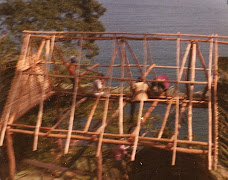
Last time I was in Yelapa was to help Gregg, (Ratza’s son & my then boyfriend) help Pamela put a new roof on her palapa. That was in 1977 or ‘78.
I have pictures from that trip. I imagine that Ratza has passed but, considering what a remarkable woman she had been, I hope I’m wrong.
Prior to my visiting her in Yelapa, Ratza had lived with me and Gregg in our small but beautiful loft on Panoramic Way in Berkeley.
That was an extraordinary and highly valued time in my life. I was 23-24 years old. I grew to love Ratza during her long stay with us. Every night she built a fire and drank rich dark coffee, read books, smoked cigarettes, regaled us with her life’s adventures, and taught Gregg and me to be considerate and kind to one another.
I remember nights we all three sat together on our little Panoramic balcony talking, laughing, smoking, gazing down at the city lights below and up at the stars in the night sky.
I was a 23 to Gregg’s 29 years. We had found each other through our shared work for the Center for Independent Living in Berkeley. Within our first year together, my sister, Debbie met Gregg’s best friend, Andy. Debbie and Andy were later married, moved to Alaska, built a home and had two girls. After a year or so of togetherness, Ratza moved back to her expat community and palapa in Yelapa. Next, Pamela wrote asking us to come down to help put a roof on her new palapa. Gregg went down first. I followed a few weeks later as I had commitments which held me back for a month. We stayed down in Yelapa for nearly a summer living in Ratza’s home, meeting her Yelapa friends. Eventually I had to return to my job in Berkeley while Gregg stayed behind in Yelapa. Shortly after that, everything fell apart.
I wrote to Gregg and sent him his tax return immediately after I arrived back in Berkeley...I waited in silence. First I was worried sick. I didn’t hear a word from Gregg for a couple of months. Eventually, I became angry as time passed. Finally, I sent him a telegram asking his plans. It read, “Do what you want or need but make a decision and let me know immediately.” As it turned out, my letter and Gregg’s money had been lost inside the Yelapa post office. That’s the story I as told.
While I had still been in Yelapa, I had some body work done by two American women who lived and practiced there. I opened up to them and spoke of my fears and doubts regarding my relationship with Gregg. In the meantime, Gregg waited to hear from me and for his income tax check to arrive in Yelapa so he could buy airfare home to Berkeley. Gregg was in distress and the two women who had performed my Yelapa massage treatment felt it necessary to warn Gregg of my “doubts” informing him that I “was thinking of leaving him.” They based this devastating assumption on my doubts and fears I had shared with them during my bodywork session. So, Ratza and co. in Yelapa thought I had left Gregg. While back in Berkeley, my friends and I worried that, based on his total silence after I left Yelapa, Gregg had decided not to return to me in Berkeley.
Finally, one morning I got a letter! But, it wasn’t from Gregg. Rather, Pamela had written to me. In her letter, Pamela said how nice it had been to meet me and so on and so on...then she lowered the boom...Gregg had an affair after I left him behind in Yelapa...
Another month had passed by when Gregg finally returned to our home in Berkeley. I met him at the door. I was actually getting ready to go out on a date with a new man I had just met. Gregg looked so gorgeous from all the sun and healthy living in Yelapa plus he immediately spoke about RE-dedicating himself to our relationship...but, I was done at that point. I informed him that I was leaving and did so in fairly short order.
Not long after I moved out, Gregg got more into drugs. I saw him a few more times until we finally went our separate ways. I imagine Gregg may no longer be living, but I’d be happy to learn he survived his ordeal. I never got the chance to see or speak with Ratza or Pamela again.
I’ve always wondered...was it all just a fantasy or my imagination? Was life really that wonderful and magical at one point in the mid to late 1970’s?
If you, the reader, remember any or all of this story I’ve told, I would LOVE to hear from you. In spite of the sad ending, ours was a love story ... mine and Gregg’s and Ratza’s. Not to mention beautiful Yelapa………Carolyn Singleton
Then I saw her picture!
Last time I was in Yelapa was to help Gregg, (Ratza’s son & my then boyfriend) help Pamela put a new roof on her palapa. That was in 1977 or ‘78.
I have pictures from that trip. I imagine that Ratza has passed but, considering what a remarkable woman she had been, I hope I’m wrong.
Prior to my visiting her in Yelapa, Ratza had lived with me and Gregg in our small but beautiful loft on Panoramic Way in Berkeley.
That was an extraordinary and highly valued time in my life. I was 23-24 years old. I grew to love Ratza during her long stay with us. Every night she built a fire and drank rich dark coffee, read books, smoked cigarettes, regaled us with her life’s adventures, and taught Gregg and me to be considerate and kind to one another.
I remember nights we all three sat together on our little Panoramic balcony talking, laughing, smoking, gazing down at the city lights below and up at the stars in the night sky.
I was a 23 to Gregg’s 29 years. We had found each other through our shared work for the Center for Independent Living in Berkeley. Within our first year together, my sister, Debbie met Gregg’s best friend, Andy. Debbie and Andy were later married, moved to Alaska, built a home and had two girls. After a year or so of togetherness, Ratza moved back to her expat community and palapa in Yelapa. Next, Pamela wrote asking us to come down to help put a roof on her new palapa. Gregg went down first. I followed a few weeks later as I had commitments which held me back for a month. We stayed down in Yelapa for nearly a summer living in Ratza’s home, meeting her Yelapa friends. Eventually I had to return to my job in Berkeley while Gregg stayed behind in Yelapa. Shortly after that, everything fell apart.
I wrote to Gregg and sent him his tax return immediately after I arrived back in Berkeley...I waited in silence. First I was worried sick. I didn’t hear a word from Gregg for a couple of months. Eventually, I became angry as time passed. Finally, I sent him a telegram asking his plans. It read, “Do what you want or need but make a decision and let me know immediately.” As it turned out, my letter and Gregg’s money had been lost inside the Yelapa post office. That’s the story I as told.
While I had still been in Yelapa, I had some body work done by two American women who lived and practiced there. I opened up to them and spoke of my fears and doubts regarding my relationship with Gregg. In the meantime, Gregg waited to hear from me and for his income tax check to arrive in Yelapa so he could buy airfare home to Berkeley. Gregg was in distress and the two women who had performed my Yelapa massage treatment felt it necessary to warn Gregg of my “doubts” informing him that I “was thinking of leaving him.” They based this devastating assumption on my doubts and fears I had shared with them during my bodywork session. So, Ratza and co. in Yelapa thought I had left Gregg. While back in Berkeley, my friends and I worried that, based on his total silence after I left Yelapa, Gregg had decided not to return to me in Berkeley.
Finally, one morning I got a letter! But, it wasn’t from Gregg. Rather, Pamela had written to me. In her letter, Pamela said how nice it had been to meet me and so on and so on...then she lowered the boom...Gregg had an affair after I left him behind in Yelapa...
Another month had passed by when Gregg finally returned to our home in Berkeley. I met him at the door. I was actually getting ready to go out on a date with a new man I had just met. Gregg looked so gorgeous from all the sun and healthy living in Yelapa plus he immediately spoke about RE-dedicating himself to our relationship...but, I was done at that point. I informed him that I was leaving and did so in fairly short order.
Not long after I moved out, Gregg got more into drugs. I saw him a few more times until we finally went our separate ways. I imagine Gregg may no longer be living, but I’d be happy to learn he survived his ordeal. I never got the chance to see or speak with Ratza or Pamela again.
I’ve always wondered...was it all just a fantasy or my imagination? Was life really that wonderful and magical at one point in the mid to late 1970’s?
If you, the reader, remember any or all of this story I’ve told, I would LOVE to hear from you. In spite of the sad ending, ours was a love story ... mine and Gregg’s and Ratza’s. Not to mention beautiful Yelapa………Carolyn Singleton
Saturday, December 8, 2018

Monday, December 3, 2018
Farewell Byron Menendez 1923-2018 RIP
Byron Menendez (1923-2018) died peacefully in his sleep last Tuesday morning, Oct. 30th. He's dancing with the ancestors now. He lived in Yelapa from the early 70s through the mid 2000s, most recently in what is now known as Casa Flourish. I tucked him in the night before and he felt well and was in good spirits, talking about how he wanted to make sure to vote the following week.
Born in the 1923 in the Bronx, Byron's parents were early-twentieth-century European immigrants: José Fernández Menéndez from Pravia, Asturias, Spain (by way of Cuba), and Rose Stolper from Riga, Latvia, both hat-makers and union activists. He attended Durlach School in Manhattan on scholarship and spent summers at Pioneer Youth Camp in Rifton, NY where his sisters worked as counselors. Working in his uncle's grocery store in his youth and later in shipyards in Connecticut, Byron enlisted in the US Army during WWII. He took part in the Battle of the Bulge, earned a Purple Heart and was later taken prisoner by the Germans, spending the rest of the war as a POW in a Nazi prison camp. Back in NYC, Byron belonged to Margot Mayo's American Square Dance Group and, marrying fellow hand-wrought jeweler Phyllis Gold, he opened a shop on West 4th St. in the Village. He moved to California in 1948 and eventually met and married jazz/folk singer Barbara Dane with whom he had 2 children, Pablo and Nina, and a stepson, Nicky Cahn. A long time resident of Berkeley, Byron was one of the area's original craftsmen and had a jewelry shop in several locations on Dwight Way in the 1950s and 60s. An avid fisherman, mushroom hunter and outdoorsman, Byron moved to Yelapa, Mexico in the early 1970s and lived there for over 30 years. He came back to the Bay Area in 2006, and lived just off Piedmont Ave (first on Monte Vista and then on Linda Ave.) where he spent his days playing the harmonica, tending his flower garden and aquarium and spending time with friends and family. He is survived by his daughter Nina (Oakland, CA) and his son Pablo (Havana, Cuba) as well as his ex-wife Barbara who also lives in Oakland.........................written by daughter, Nina
Born in the 1923 in the Bronx, Byron's parents were early-twentieth-century European immigrants: José Fernández Menéndez from Pravia, Asturias, Spain (by way of Cuba), and Rose Stolper from Riga, Latvia, both hat-makers and union activists. He attended Durlach School in Manhattan on scholarship and spent summers at Pioneer Youth Camp in Rifton, NY where his sisters worked as counselors. Working in his uncle's grocery store in his youth and later in shipyards in Connecticut, Byron enlisted in the US Army during WWII. He took part in the Battle of the Bulge, earned a Purple Heart and was later taken prisoner by the Germans, spending the rest of the war as a POW in a Nazi prison camp. Back in NYC, Byron belonged to Margot Mayo's American Square Dance Group and, marrying fellow hand-wrought jeweler Phyllis Gold, he opened a shop on West 4th St. in the Village. He moved to California in 1948 and eventually met and married jazz/folk singer Barbara Dane with whom he had 2 children, Pablo and Nina, and a stepson, Nicky Cahn. A long time resident of Berkeley, Byron was one of the area's original craftsmen and had a jewelry shop in several locations on Dwight Way in the 1950s and 60s. An avid fisherman, mushroom hunter and outdoorsman, Byron moved to Yelapa, Mexico in the early 1970s and lived there for over 30 years. He came back to the Bay Area in 2006, and lived just off Piedmont Ave (first on Monte Vista and then on Linda Ave.) where he spent his days playing the harmonica, tending his flower garden and aquarium and spending time with friends and family. He is survived by his daughter Nina (Oakland, CA) and his son Pablo (Havana, Cuba) as well as his ex-wife Barbara who also lives in Oakland.........................written by daughter, Nina
Friday, June 16, 2017
Sand and Foam
YELAPA TIDBIT - For those who don't know, Donovan wrote a song for and in Yelapa... 
(The story of the song told by Donovan in his live presentation at the Kodak Theater in Los Angeles on January 21, 2007.
BTW, Ben and Miki Shapiro's place in Yelapa = Casa de Los Sueños.
*taken from Cheryl Harleston's post on FB.
(The story of the song told by Donovan in his live presentation at the Kodak Theater in Los Angeles on January 21, 2007.
BTW, Ben and Miki Shapiro's place in Yelapa = Casa de Los Sueños.
"Of course fame followed me. It was 1966. We were here in Hollywod, up
at Ben Shapiro's place. Ben was bringing in Ravi Shankar and Ali Akbar
Khan. Ben was one of the old bohemians. He saw that Gypsy and I were
tired. He said, "Why don't you go down to Mexico?" He said, "Go down to
Puerto Vallarta, down to Rosa's Cantina." We did. Rosa was there. She
took us to a fast boat, it sped us down the Pacific coast of Mexico.
Down to Yelapa, a small fishing village. No roads went to this village.
We curved around. Young boys in dug-out canoes took us off to a long,
sandy beach, the jungle behind. We slept in grass huts, the stars
twinkling above us. Down the river, we could hear the jaguars calling to
each other in the jungle. And I wrote this song…"
The sun was going down behind a tattooed tree
The simple act of an oar's stroke put diamonds in the sea
All because of the phosphorus there in quantity
I dug you diggin' me in Mexico
There in the valley of Scorpio, beneath a cross of jade
Smoking on the seashell pipe the Gypsy had made
We sat and dreamed a while of smugglers bringing wine
In that crystal thought time in Mexico
Sitting in a chair of bamboo, sipping grenadine
Straining my eyes for a surfacing submarine
Kingdoms of ants walk across my feet
I'm a-shakin' in my seat in Mexico
Grasshoppers creaking in the velvet jungle night
Microscopic circles in the fluid of my sight
Watching a dark-eyed native girl cut and trim the lamp
A Valentino vamp in Mexico
The sun was going down behind a tattooed tree
The simple act of an oar's stroke put diamonds in the sea
And all because of the phosphorus there in quantity
I dug you diggin' me in Mexico
The sun was going down behind a tattooed tree
The simple act of an oar's stroke put diamonds in the sea
All because of the phosphorus there in quantity
I dug you diggin' me in Mexico
There in the valley of Scorpio, beneath a cross of jade
Smoking on the seashell pipe the Gypsy had made
We sat and dreamed a while of smugglers bringing wine
In that crystal thought time in Mexico
Sitting in a chair of bamboo, sipping grenadine
Straining my eyes for a surfacing submarine
Kingdoms of ants walk across my feet
I'm a-shakin' in my seat in Mexico
Grasshoppers creaking in the velvet jungle night
Microscopic circles in the fluid of my sight
Watching a dark-eyed native girl cut and trim the lamp
A Valentino vamp in Mexico
The sun was going down behind a tattooed tree
The simple act of an oar's stroke put diamonds in the sea
And all because of the phosphorus there in quantity
I dug you diggin' me in Mexico
*taken from Cheryl Harleston's post on FB.
Saturday, June 3, 2017
Time Goes Too Fast
It's June 2017. I moved closer to the village for the first time in years. It turned out to be a good move for me. I was closer to town and friends and did not have to walk all that way out to the ends of the Point. Due to some unforseen health issues, I needed to have better access to Isabel's beach and town.
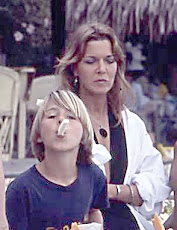
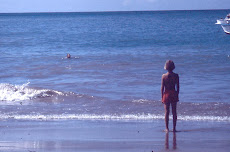
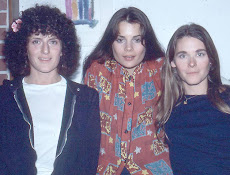
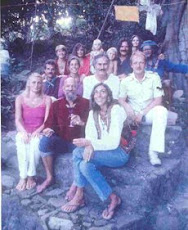
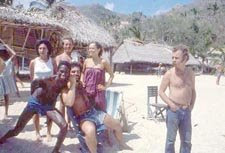
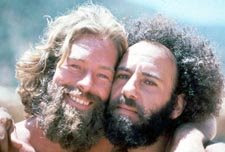
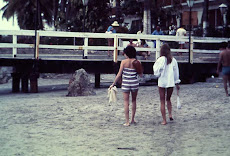
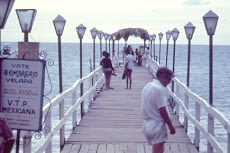
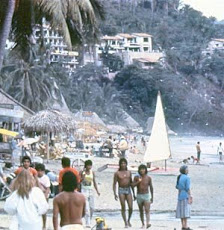
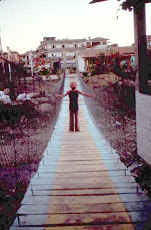
I'm still hunting for the fab photos that were sent to me. I parked them somewhere and can't find them now! But, I will. Great pics taken by Mark Tedesco in the 70's. Brilliant photos of many residents. You will love them!
Hope you're keeping up with Tony Collins and his incredible stories, too. Amazing!
I'm still hunting for the fab photos that were sent to me. I parked them somewhere and can't find them now! But, I will. Great pics taken by Mark Tedesco in the 70's. Brilliant photos of many residents. You will love them!
Hope you're keeping up with Tony Collins and his incredible stories, too. Amazing!
Wednesday, December 21, 2016
What? It's Almost 2017. HAPPY NEW YEAR! Feliz Año Nuevo, Amigos....
I am a terrible blogger, but I hope to update with more photos soon. I have them hidden somewhere on my drive, I promise. Now to figure out how to do that all over again.
BTW I hit 70 this Fall. I came to Yelapa 40 years ago. I got sick on my birthday this year and spent the day sniveling in bed. I don't mind if you stop me on the trail and wish me a belated Happy Birthday this winter. I'll be down there soon.
Saturday, August 8, 2015
Another Load, or, To There and Back Again
This story starts in Yelapa, goes to Oaxaca, then on to Zihuatanejo, Mexico City, back to Oaxaca, and, finally ends back in Yelapa.
Graham and I were hanging around Casa De Alacron; later known as Casa Aribba; sitting at the table on the terrace looking out over the Bahia de Banderas and down at the beach of Yelapa. We had noticed a small yacht had pulled into the bay that morning, since that happens regularly, we didn’t think anything of it. This was around 9am and the Sombrero nor Paladin had not pulled into the bay yet.
An hour or so later, two guys arrived at the gate of Casa de Alacron and rang the bell to get our attention. Graham and I looked over the edge of the terrace to see who it was; neither of us recognized these 2 guys so we were a little curious. Visitors at your gate in Yelapa were kind of rare in those days; especially people that you did not recognize. I ambled down to the gate to talk to them and found two nice guys that mentioned the name of a good friend of mine in the San Francisco area. I invited them up to the house.
It turns out that they were trying to put together a load of pot from somewhere in Mexico to take back to the states on their boat. They had found the right person and the right location. We spent the rest of the day getting to know each other and finding out what kind of folks these guys were and trying to organize something without revealing too much of my hand at first as we did NOT know them; but they had come with the name of someone that I trusted and a message in a kind of code that only I would understand and that my friend in SF was vouching for them. We smoked a lot of pot that day and night and talked about several possible scenarios to pull this off.
When organizing a boat shot as this type of run was called, there are several logistical issues to be worked out. The first of which is how to communicate with each other while one party is on land and the other is out to sea. We decided on the use of a set of walkie/talkies that I owned and got their call sign designation for the boat. Thus, we could communicate and get us both to the agreed coordinates at the same time in the same place. This is NOT that easy to do as one of the factors requires loading a large panga with the product and meeting a boat at sea during night, in the Golfo de Tehuantepec. What might be large rolling seas at 3am is not the easiest thing to do, but possible.
The next logistical issue was Graham and I had to go to Oaxaca and arrange for the product, the panga, pick longitude and latitude coordinates, and then get that information back to the people on the boat. This latter issue required a physical meeting place between the boat guys and myself north of the coordinates. We settled on meeting in Zihuatanejo back farther north and where we could talk rivately in person as you cannot use the walkie/talkie for anything other than light chatter. All of the other logistics had to be worked out beforehand and everyone needed to be able to understand timing, locations, and other factors before you try to load a boat in the middle of the night out to sea.
So Graham and I went to Oaxaca and set up the purchase and delivery of the load out into the Golfo; that was the easy part. I headed back north to Zihuatanejo to meet the guys and lock down the meeting coordinates, call codes, and other issues before we were to meet again at sea.
Zihuatanejo was quite a bit different in 1974. Ixtapa was just really starting to be developed and Zihuat was still pretty much a sleepy fishing village. There were a couple of new restaurants and hotels, but big development had not happened yet, so it was a pretty good place for the meeting. There were gringo tourists around, but not too many of them. I got a room at a local pensione and sat down to wait for the boat. Boats don’t arrive in a location like a car does… it might take several days to get to there from Yelapa; this is one of the reasons that logistics have to carefully prepared in advance. I had to be patient and use the walkie/talkie every few hours to try to make contact; they don’t have a lot of range either.
While waiting, I met a guy named Peter from Canada that was hanging out in Zihuatenjo by himself and he was very curious about me and what I was doing; but he seemed pretty cool and I just told him I was waiting for some guys with a boat. He didn’t ask about anything else. We went out to dinner at a new restaurant called La Tortuga and was trying to make a name for itself with the tourist crowd. We started doing a fair amount of drinking that night since I knew the boat was not going to arrive that night. I used to drink quite a bit in those days, so when The Turtle closed, we went to another bar and closed it, too, so the only place left to go was to the local brothel! Anyone that knows Mexico knows that you don’t have to date the girls at brothels in Mexico but you do have to buy drinks. We drank some more.
While drinking, we met two guys from Mexico D.F. that worked for the phone company and they were in town putting in new phone poles and infrastructure for the new construction going on in the area. They were a couple of nice guys named Adam and Oscar. While we were sitting around the bar, we were playing different bar games that involved moving matches to make shapes, card tricks and generally goofing off and having a good time in a bar at 4am. During this fun, another young guy had latched on to us. We don’t remember his name and he was not a friend of Adam nor Oscar. This guy is central to the rest of this story.
A while later we decided it was time to eat some breakfast and the 5 of us walked out front to one of the two taco stands on opposite sides of the street. While we were eating the great tacos, a group of young guys across the street started yelling to the guys with us. They were asking why Adam, Oscar, and the other guy were spending time with gringos. It got heated quickly as can happen with young Latino men that have been drinking and words were exchanged that should not have been. I admit that I can have a big mouth and it has gotten me in trouble more than once. Words flew for about 2 minutes and then all hell broke loose.
Guys from the other taco stand came running across the street and within seconds there was a full-fledged brawl in the middle of the street with about 10 locals, 2 gringoes, 2 phone guys and the stranger. The unknown guy, pulled out a knife and slit the throat of a guy from across the street and now everyone was running in opposite directions within 30 seconds of the whole fiasco starting. I took one look at the guy bleeding in the street and knew he was dead without looking twice. It was time to get out of town. I grabbed Peter and yelled, Let's go NOW!
The hotel was only about 3 blocks away and we were there in minutes. My plan was to grab the 4 or 5K I had stashed in the room and get out of town as fast as possible. I figured we could flag down someone in a car or truck and give them some money to take us south to Acapulco or somewhere safe. Of course, when we opened the door to leave the hotel, there were about 4 local cops standing at the door with guns drawn and we simply walked in the direction they told us to go. Within 2 blocks and 2 minutes we were being processed into the jail in Zihuatanejo.
No jail in Mexico is fun and this one was by some standards a bit better than some due to the fact it was small and not very populated. We found out quickly that about 10 people from the fight were in custody; Peter and I, Adam and Oscar, a few of the guys from across the street… but the guy that actually did the killing, of course, had gotten clean away. This presents major problems in Mexico, because, SOMEBODY HAS TO PAY. We had not yet figured out the plan was for it to be the gringos.
We ended up staying at the local jail about 10 days. Needless to say, I missed the boat and “our pot shot” was a dead deal. We didn’t know that events were in motion to make us “dead” as well. As luck would have it, the local boy that died at the taco stand was a member of the ultima familia of the town; his father and uncle were high ranking members of the Mexican Army, and his “godfather” (a big deal in Mexico) was the local District Attorney called Agente de Ministereo de Publico, in Mexico… all of these are very powerful people in Mexico and are used to getting their way.
It turned out the locals knew we were innocent of the charges. We were officially being held on a charge of murder, but unofficially, the family of the dead boy were trying to get us released to the custody of the Army. This meant that they planned on taking us somewhere we ultimately would be shot while trying to escape.
This is simply how it worked, and I understood this fully. I could not relay this information to Peter because he was too new to Mexico and would immediately freak out if he knew this fact, so I concealed it. I spoke Spanish and Peter did not which helped me keep the truth from him. At least until I could figure something out.
We spent about 10 days in this hellhole; 1 single cell about 15 feet long and maybe 10 feet wide with 15 people or so in it; no bathroom and no shower. We had agreed that one corner was to be the toilet area as they had not even provided us a bucket. We were provided a mop and bucket every couple of days to clean it up; not fun.
The funniest part of the experience was that on Saturday night two different cops came in carrying the main cop that had been watching us in the daytime. He had gotten very drunk and his fellow officers had arrested him and threw him in the jail with us. He was loud and his buddies were beating on him with their nightsticks and yelling at him to shut up.
We found ourselves prostrated from heat one afternoon when we heard a small voice coming from the door of the cell. Peter. Tony. Are you boys in there? There was a small Mexican lady at the door speaking perfect English and asking for us? We were mystified and even more so when we spoke to her and she got us taken out of the cell and into the office of the Chief of Police.
As we started talking with the lady, Mary Aravelo, we learned that she was a Mexican-American missionary and her husband was a pastor in a church south of Zihaut in a town called San Jeronimito. No one knew she was actually born in the US and had moved to Mexico with her husband and had been there for 20 plus years. The important fact here is that some many years in the past when there were upheavals in the local government in the State of Guerrero (a common event) the Police Chief had been a young cop and was on the run from the rest of the cops. Mary and her husband hid him from the authorities that were looking for him, thus, he owed Mary and she was about to collect on the debt.
I mentioned earlier that this was a very small jail and in fact, this event had swelled the population of the jail from 2 prisoners to about 18 or so. This place was so not ready, that they forgot to search us while being checked in. I still had my package with the money in it. While talking with the Police Chief and Mary Arevalo, the other officers decided that since we were in the office of their boss, it was time to search us. Thankfully, when they found the package in my pocket they turned it over to the Chief who taped it up and put it in his safe in front of me and promised me that I would get every penny back. Knowing Mexico the way I did, I doubted this to say the least. I was pleasantly surprised to learn that this Police Chief was a very honorable guy.
As we continue talking, I learn about the Chief’s past and that he considers Mary a Saint (as she very well may be), the Chief gives Mary permission to use his phone and allows me to make a call to the Consulate in Mexico City. The US Consul basically tells me that we are on our own and that we should get a lawyer, DUH? So were kind of depressed, but Mary told us not to give up and that she will be back.
Two days later we were again brought out of the cell, this time to meet a fireplug of a man by the name of Roger Chartier, his wife, and Mary Arevalo were there. Roger was the Canadian Consul General and had flown from Mexico D.F. to Acapulco, rented a car, and he and his wife had driven north to Zihuatanejo to do their best at getting us out. Their best worked. Roger told me the story of how he had arrived in Zihuatanejo and gone to the office of the Agente de Ministereo de Publico and literally picked up the guy off his feet and told him that he was welcome to stay at my home in Acapulco, anytime you want.
THIS IS HOW THINGS REALLY GET DONE IN MEXICO… money helps, but it’s really about who you know, not how much money you have. Roger had obtained our release and we were free to go. Just that quickly. Obviously, we were ecstatic and a few minutes later we were in a car on our way south to San Jeronimito.
Upon arriving in San Jeronimito we learned how Mary Arevalo had found out about us in the jail and how it started that she was going to try to help us. There had been another prisoner in the jail that was from her village and when he was released, he told Mary and her husband about us and that we were being taken out and beaten every night to try to get us to confess.
Actually it was not Peter and I that were being beaten by the cops; they were taking Adam and Oscar out every night and working them over to get them to sign a declaration against us; that we were the killers. I had been telling Adam and Oscar, if I was able to get out that I would come back for them and asked them to please hold on and not sign what they were asking them to do.
While we were taking showers and changing clothes (the Chief was a man of his word and all of our property and my money was returned to us), we found out that the entire village knew who we were and there was a big party being held that night in our honor. We made many friends that night and learned that many people in this village had been praying for our safety and our release. We were overwhelmed by this situation and frankly were amazed as well. People that didn’t even know us; cared about us.
I told Mary that I had a problem. I had to go back and try to get the other 2 guys out. I was told by both Roger and Mary that I was crazy and that we should just get in the car with them and drive back to Acapulco and leave it alone. I could not do that, I had to try. I had given my word. They again told me I was crazy and that they had to go home and they could not help us again if we got in trouble. Mary did make arrangements for a truck for us for the next day and the 4 of us went back to Zihuatanejo the next day.
When we arrived at the Agente office, we were told that we were pushing it and that we should get out of town! I explained that honor required me to return and this got the Agente’s attention; we were told that we could have Adam upon paying a small fine, but that Oscar had signed a confession the night before and we should leave town immediately. I paid a small fine and they gave us Adam. There was nothing that could be done about Oscar.
We went to the airport and got on a plane to Mexico D.F. and returned Adam to his family. They were ecstatic to see him, had not known what had happened, but were overjoyed to see their father and husband alive and well. This was Adam’s first plane trip and he was great to watch as he was so excited. I was depressed about Oscar but knew there was nothing else I could do about it. I was just happy we were able to get Adam and he said Oscar couldn’t take the pain of the beatings any longer. I had been beaten and tortured by the JPF in another encounter and understood completely.
After saying goodbye to Peter in Mexico D.F. I got on a bus back to Oaxaca and met up with Graham who had been wondering where the hell I had been. We arranged for our load to be put on a plane shot, but that is another story. Graham and I hopped on a plane to Mexico D.F. and back to Vallarta and took about 20 kilos of sinsemilla with us through the D.F. and Vallarta airports (which is crazy, but I have never been accused of having a small pair) and we returned to Casa de Alacron with 20 kilos of Oaxaca’s best from the Ocotlan de Morelos Valley………………………..Tony Collins ......PAZ.
Graham and I were hanging around Casa De Alacron; later known as Casa Aribba; sitting at the table on the terrace looking out over the Bahia de Banderas and down at the beach of Yelapa. We had noticed a small yacht had pulled into the bay that morning, since that happens regularly, we didn’t think anything of it. This was around 9am and the Sombrero nor Paladin had not pulled into the bay yet.
An hour or so later, two guys arrived at the gate of Casa de Alacron and rang the bell to get our attention. Graham and I looked over the edge of the terrace to see who it was; neither of us recognized these 2 guys so we were a little curious. Visitors at your gate in Yelapa were kind of rare in those days; especially people that you did not recognize. I ambled down to the gate to talk to them and found two nice guys that mentioned the name of a good friend of mine in the San Francisco area. I invited them up to the house.
It turns out that they were trying to put together a load of pot from somewhere in Mexico to take back to the states on their boat. They had found the right person and the right location. We spent the rest of the day getting to know each other and finding out what kind of folks these guys were and trying to organize something without revealing too much of my hand at first as we did NOT know them; but they had come with the name of someone that I trusted and a message in a kind of code that only I would understand and that my friend in SF was vouching for them. We smoked a lot of pot that day and night and talked about several possible scenarios to pull this off.
When organizing a boat shot as this type of run was called, there are several logistical issues to be worked out. The first of which is how to communicate with each other while one party is on land and the other is out to sea. We decided on the use of a set of walkie/talkies that I owned and got their call sign designation for the boat. Thus, we could communicate and get us both to the agreed coordinates at the same time in the same place. This is NOT that easy to do as one of the factors requires loading a large panga with the product and meeting a boat at sea during night, in the Golfo de Tehuantepec. What might be large rolling seas at 3am is not the easiest thing to do, but possible.
The next logistical issue was Graham and I had to go to Oaxaca and arrange for the product, the panga, pick longitude and latitude coordinates, and then get that information back to the people on the boat. This latter issue required a physical meeting place between the boat guys and myself north of the coordinates. We settled on meeting in Zihuatanejo back farther north and where we could talk rivately in person as you cannot use the walkie/talkie for anything other than light chatter. All of the other logistics had to be worked out beforehand and everyone needed to be able to understand timing, locations, and other factors before you try to load a boat in the middle of the night out to sea.
So Graham and I went to Oaxaca and set up the purchase and delivery of the load out into the Golfo; that was the easy part. I headed back north to Zihuatanejo to meet the guys and lock down the meeting coordinates, call codes, and other issues before we were to meet again at sea.
Zihuatanejo was quite a bit different in 1974. Ixtapa was just really starting to be developed and Zihuat was still pretty much a sleepy fishing village. There were a couple of new restaurants and hotels, but big development had not happened yet, so it was a pretty good place for the meeting. There were gringo tourists around, but not too many of them. I got a room at a local pensione and sat down to wait for the boat. Boats don’t arrive in a location like a car does… it might take several days to get to there from Yelapa; this is one of the reasons that logistics have to carefully prepared in advance. I had to be patient and use the walkie/talkie every few hours to try to make contact; they don’t have a lot of range either.
While waiting, I met a guy named Peter from Canada that was hanging out in Zihuatenjo by himself and he was very curious about me and what I was doing; but he seemed pretty cool and I just told him I was waiting for some guys with a boat. He didn’t ask about anything else. We went out to dinner at a new restaurant called La Tortuga and was trying to make a name for itself with the tourist crowd. We started doing a fair amount of drinking that night since I knew the boat was not going to arrive that night. I used to drink quite a bit in those days, so when The Turtle closed, we went to another bar and closed it, too, so the only place left to go was to the local brothel! Anyone that knows Mexico knows that you don’t have to date the girls at brothels in Mexico but you do have to buy drinks. We drank some more.
While drinking, we met two guys from Mexico D.F. that worked for the phone company and they were in town putting in new phone poles and infrastructure for the new construction going on in the area. They were a couple of nice guys named Adam and Oscar. While we were sitting around the bar, we were playing different bar games that involved moving matches to make shapes, card tricks and generally goofing off and having a good time in a bar at 4am. During this fun, another young guy had latched on to us. We don’t remember his name and he was not a friend of Adam nor Oscar. This guy is central to the rest of this story.
A while later we decided it was time to eat some breakfast and the 5 of us walked out front to one of the two taco stands on opposite sides of the street. While we were eating the great tacos, a group of young guys across the street started yelling to the guys with us. They were asking why Adam, Oscar, and the other guy were spending time with gringos. It got heated quickly as can happen with young Latino men that have been drinking and words were exchanged that should not have been. I admit that I can have a big mouth and it has gotten me in trouble more than once. Words flew for about 2 minutes and then all hell broke loose.
Guys from the other taco stand came running across the street and within seconds there was a full-fledged brawl in the middle of the street with about 10 locals, 2 gringoes, 2 phone guys and the stranger. The unknown guy, pulled out a knife and slit the throat of a guy from across the street and now everyone was running in opposite directions within 30 seconds of the whole fiasco starting. I took one look at the guy bleeding in the street and knew he was dead without looking twice. It was time to get out of town. I grabbed Peter and yelled, Let's go NOW!
The hotel was only about 3 blocks away and we were there in minutes. My plan was to grab the 4 or 5K I had stashed in the room and get out of town as fast as possible. I figured we could flag down someone in a car or truck and give them some money to take us south to Acapulco or somewhere safe. Of course, when we opened the door to leave the hotel, there were about 4 local cops standing at the door with guns drawn and we simply walked in the direction they told us to go. Within 2 blocks and 2 minutes we were being processed into the jail in Zihuatanejo.
No jail in Mexico is fun and this one was by some standards a bit better than some due to the fact it was small and not very populated. We found out quickly that about 10 people from the fight were in custody; Peter and I, Adam and Oscar, a few of the guys from across the street… but the guy that actually did the killing, of course, had gotten clean away. This presents major problems in Mexico, because, SOMEBODY HAS TO PAY. We had not yet figured out the plan was for it to be the gringos.
We ended up staying at the local jail about 10 days. Needless to say, I missed the boat and “our pot shot” was a dead deal. We didn’t know that events were in motion to make us “dead” as well. As luck would have it, the local boy that died at the taco stand was a member of the ultima familia of the town; his father and uncle were high ranking members of the Mexican Army, and his “godfather” (a big deal in Mexico) was the local District Attorney called Agente de Ministereo de Publico, in Mexico… all of these are very powerful people in Mexico and are used to getting their way.
It turned out the locals knew we were innocent of the charges. We were officially being held on a charge of murder, but unofficially, the family of the dead boy were trying to get us released to the custody of the Army. This meant that they planned on taking us somewhere we ultimately would be shot while trying to escape.
This is simply how it worked, and I understood this fully. I could not relay this information to Peter because he was too new to Mexico and would immediately freak out if he knew this fact, so I concealed it. I spoke Spanish and Peter did not which helped me keep the truth from him. At least until I could figure something out.
We spent about 10 days in this hellhole; 1 single cell about 15 feet long and maybe 10 feet wide with 15 people or so in it; no bathroom and no shower. We had agreed that one corner was to be the toilet area as they had not even provided us a bucket. We were provided a mop and bucket every couple of days to clean it up; not fun.
The funniest part of the experience was that on Saturday night two different cops came in carrying the main cop that had been watching us in the daytime. He had gotten very drunk and his fellow officers had arrested him and threw him in the jail with us. He was loud and his buddies were beating on him with their nightsticks and yelling at him to shut up.
We found ourselves prostrated from heat one afternoon when we heard a small voice coming from the door of the cell. Peter. Tony. Are you boys in there? There was a small Mexican lady at the door speaking perfect English and asking for us? We were mystified and even more so when we spoke to her and she got us taken out of the cell and into the office of the Chief of Police.
As we started talking with the lady, Mary Aravelo, we learned that she was a Mexican-American missionary and her husband was a pastor in a church south of Zihaut in a town called San Jeronimito. No one knew she was actually born in the US and had moved to Mexico with her husband and had been there for 20 plus years. The important fact here is that some many years in the past when there were upheavals in the local government in the State of Guerrero (a common event) the Police Chief had been a young cop and was on the run from the rest of the cops. Mary and her husband hid him from the authorities that were looking for him, thus, he owed Mary and she was about to collect on the debt.
I mentioned earlier that this was a very small jail and in fact, this event had swelled the population of the jail from 2 prisoners to about 18 or so. This place was so not ready, that they forgot to search us while being checked in. I still had my package with the money in it. While talking with the Police Chief and Mary Arevalo, the other officers decided that since we were in the office of their boss, it was time to search us. Thankfully, when they found the package in my pocket they turned it over to the Chief who taped it up and put it in his safe in front of me and promised me that I would get every penny back. Knowing Mexico the way I did, I doubted this to say the least. I was pleasantly surprised to learn that this Police Chief was a very honorable guy.
As we continue talking, I learn about the Chief’s past and that he considers Mary a Saint (as she very well may be), the Chief gives Mary permission to use his phone and allows me to make a call to the Consulate in Mexico City. The US Consul basically tells me that we are on our own and that we should get a lawyer, DUH? So were kind of depressed, but Mary told us not to give up and that she will be back.
Two days later we were again brought out of the cell, this time to meet a fireplug of a man by the name of Roger Chartier, his wife, and Mary Arevalo were there. Roger was the Canadian Consul General and had flown from Mexico D.F. to Acapulco, rented a car, and he and his wife had driven north to Zihuatanejo to do their best at getting us out. Their best worked. Roger told me the story of how he had arrived in Zihuatanejo and gone to the office of the Agente de Ministereo de Publico and literally picked up the guy off his feet and told him that he was welcome to stay at my home in Acapulco, anytime you want.
THIS IS HOW THINGS REALLY GET DONE IN MEXICO… money helps, but it’s really about who you know, not how much money you have. Roger had obtained our release and we were free to go. Just that quickly. Obviously, we were ecstatic and a few minutes later we were in a car on our way south to San Jeronimito.
Upon arriving in San Jeronimito we learned how Mary Arevalo had found out about us in the jail and how it started that she was going to try to help us. There had been another prisoner in the jail that was from her village and when he was released, he told Mary and her husband about us and that we were being taken out and beaten every night to try to get us to confess.
Actually it was not Peter and I that were being beaten by the cops; they were taking Adam and Oscar out every night and working them over to get them to sign a declaration against us; that we were the killers. I had been telling Adam and Oscar, if I was able to get out that I would come back for them and asked them to please hold on and not sign what they were asking them to do.
While we were taking showers and changing clothes (the Chief was a man of his word and all of our property and my money was returned to us), we found out that the entire village knew who we were and there was a big party being held that night in our honor. We made many friends that night and learned that many people in this village had been praying for our safety and our release. We were overwhelmed by this situation and frankly were amazed as well. People that didn’t even know us; cared about us.
I told Mary that I had a problem. I had to go back and try to get the other 2 guys out. I was told by both Roger and Mary that I was crazy and that we should just get in the car with them and drive back to Acapulco and leave it alone. I could not do that, I had to try. I had given my word. They again told me I was crazy and that they had to go home and they could not help us again if we got in trouble. Mary did make arrangements for a truck for us for the next day and the 4 of us went back to Zihuatanejo the next day.
When we arrived at the Agente office, we were told that we were pushing it and that we should get out of town! I explained that honor required me to return and this got the Agente’s attention; we were told that we could have Adam upon paying a small fine, but that Oscar had signed a confession the night before and we should leave town immediately. I paid a small fine and they gave us Adam. There was nothing that could be done about Oscar.
We went to the airport and got on a plane to Mexico D.F. and returned Adam to his family. They were ecstatic to see him, had not known what had happened, but were overjoyed to see their father and husband alive and well. This was Adam’s first plane trip and he was great to watch as he was so excited. I was depressed about Oscar but knew there was nothing else I could do about it. I was just happy we were able to get Adam and he said Oscar couldn’t take the pain of the beatings any longer. I had been beaten and tortured by the JPF in another encounter and understood completely.
After saying goodbye to Peter in Mexico D.F. I got on a bus back to Oaxaca and met up with Graham who had been wondering where the hell I had been. We arranged for our load to be put on a plane shot, but that is another story. Graham and I hopped on a plane to Mexico D.F. and back to Vallarta and took about 20 kilos of sinsemilla with us through the D.F. and Vallarta airports (which is crazy, but I have never been accused of having a small pair) and we returned to Casa de Alacron with 20 kilos of Oaxaca’s best from the Ocotlan de Morelos Valley………………………..Tony Collins ......PAZ.
Thursday, April 16, 2015
Saturday, March 21, 2015
Old Ways
The little blue and white boat in the bottom left corner is a diesel boat. It was the only boat that went to PV then and would bring back all kinds of stuff but Fernando said it took upwards of 4 hrs one way! Crazy! Also you'll notice that Casa Milagros isn't there and neither is much of the jungle towards the point. Apparently they used to clear that land for farming....Kendra Garcia
*see photo on left of Bay in 1964
*see photo on left of Bay in 1964
Tuesday, March 3, 2015
Looking for Artifacts
This is letter from Skip to Ann Contos
"More photos of the little village of Yelapa in 1964. No cement buildings, no pangas yet.
In the pic of the lady in the red swim suit sunning on Main Beach, I think I can see WINDWARD's mast standing (black, vertical straight pole) against the low wall by Hotel Lagunita, in the upper right of the photo. Supposedly it was used as a flag pole. That is about where I thought the mast might have been, and where you might find the distinctive wall pattern today, where the mast once stood after the shipwreck. If so, I'd love a photo of the same wall (sans mast) at your convenience when you get down there. I'll buy you a passion fruit margarita and fish salad at your favorite beach restaurant if you can find the wall where WINDWARD's mast stood.
If anyone in Yelapa has, or can find any relics or photos from the shipwreck of WINDWARD and deliver them to El Jardin, I offer an appropriate reward.
Of course Faye and Kendra are welcome to anything I write, and the photos too, all taken in 1964 by Dick Enersen, crew on AMORITA, a 46 foot sailboat anchored off El Jardin for two days".....skip (of course it was not El Jardin then!...)
Wreck of the Windward
The wreck of the Windward in Yelapa, 1958.
Skip's friend, Dick, took these photos in 1964. We're wondering what happened to the mast that ended up in front of Hotel Lagunita? Was the hotel there in those days?
57 years ago, the night of Feb.28, 1958, a sailing tragedy of great proportions occurred in Yelapa. The beautiful, all varnished, M class sloop WINDWARD was anchored just off the beach. After setting an elapsed time record in the 1958 Acapulco Race, WINDWARD's owner, Don Chilcott, and delivery crew, including famed seaman Bob Dickson, were sailing her back to Southern California and had stopped at Yelapa to visit the waterfalls.
WINDWARD was 82 feet on deck, 55 feet of waterline, 14 feet in beam, and 24 tons of outside ballast. WINDWARD's hollow spruce mast rose 102 feet. She had been built in 1929, #14 hull of the M Class Universal Rule. Her races against sisterships PATOLITA and PURSUIT were stuff of legend. WINDWARD was probably the prettiest and one of the fastest boats ever to sail on the West Coast.
That afternoon in '58 WINDWARD's crew went ashore in Yelapa for fresh fish dinner. WINDWARD's stern was only 150' off the beach. But she was well anchored with a 125 pound Fisherman anchor and 100 feet of 1/2" chain. While dining ashore, the crew did not notice an increasing ground swell. At 2200 hours it was Dickson who first spotted WINDWARD broadside to the beach, her anchor chain broken at a link 20 feet from the bow.
The crew stripped off their clothes and hurriedly swam to the boat. The engine was started, and the 22 inch, two blade, feathering prop churned a frothy wake. The spreader lights were switched on, and just as the crew thought they had escaped catastrophe, the engine died and wouldn't restart. That afternoon the fuel filters had been changed, and the engine has not been test run.
Helpless, WINDWARD slowly took the beach, bow first. She bumped first aft, the deepest part of her keel, and then slowly laid over to 45 degrees on her port side as surf broke over the hull. WINDWARD had broken her anchor chain at Yelapa and gone ashore in the pitch dark. Things seemed to happen in slow motion. A bonfire was built in the sand to light the scene. Attempts were made to row an anchor out to kedge free. But attempts were futile given the surf and difficulty in communicating.
The next morning WINDWARD was mostly emptied to lighten ship. More attempts were made to pull her free. Locals were recruited to hang from halyards to help leverage the varnished hull to a bow out position. At one point they had what seemed half the population of Yelapa hanging from the halyards that overhung the beach. As WINDWARD would rise and fall in the surf, the locals would be lifted off their feet "like goosed marionettes."
It was a difficult situation compounded by nearly impossible communications with the insurance company back in the U.S.A. The nearest town, Puerto Vallarta, was really just a village with a couple of streets, a gas station and hotel, but no telephone. The nearest telephone was in Tepic, 70 miles away. There was a local freighter, the SINALOA, that could have possibly pulled WINDWARD free. But SINALOA's captain was drunk, and could provide no firm cost or plan. Lastly, WINDWARD's salvagers were running out of anchors and rope. In 1958, most anchor line was manila, and the 1.5" diameter rope was breaking like string under the strain.
On the fourth day, March 4, 1958, a final attempt was made to free WINDWARD. Four long bow lines were led seaward to anchors and to the stern of the big. black schooner SEADRIFT. At high tide they began to pull, winching like maniacs with SEA DRIFT's powerful engine running wide open. WINDWARD rose to the swell and her bow began to move.. Then with resounding crack, SEADRIFT's 5/8" anchor chain parted. Too much strain came onto the other lines, and they too broke. It was the end. Over the next few days and weeks, WINDWARD came apart. Her mast was cut down, an ultimately reerected as a flagpole on the Yelapa beach. Only her lead keel remained buried in the sand, the end of a beautiful ship.
On a recent visit to Yelapa in 2014 we went in search of finding any remnants of WINDWARD. Hopefully, we criss-crossed the beach, and asked at the beach bars and hotels. Nobody we found, all born after 1958, had heard of WINDWARD and what happened that night. Nor could we find any boat parts that might have come from WINDWARD. She has been recycled into history, 82 feet of splendor.
I recently came upon this 1964 picture (35 mm slide) of the top part of WINDWARD's mast stepped against a cement wall in Yelapa. Does anyone recognize the location of the mast against the wall? The second photo of the three boats at anchor was also taken in 1964, near Casa Santa Cruz. From left to right the boats are the K-50 RASCAL, the Cal-32 AMORITA, and the big 73 foot KIALOA II. They were all returning from the '64 Acapulco Race and stopped in Yelapa Bay to visit the waterfall. Notice there is no path along the rocks out towards El Jardin and Karina's. And the third photo is of WINDWARD on the beach, before she broke up becoming Yelapa's most famous shipwreck...............skip allan, Capitola, CA
Sunday, February 22, 2015
The Start of Something Big
Hello Faye,
My name is jerry and "Pizza Phil" is my brother - he was written about in a blog post by Penny in 2011. The reason I'm writing to you is I'm in Yelapa right now ( February 13-15) and found your blog. Why? I spent the afternoon with "Guitar Ron" and just learned the "pizza" part of "Pizza Phil", hence a refined Google search to find your blog. I've searched many times but without "pizza" - so I found you today. It's been 27 years since I've seen Phil - I was only 21 when he disappeared as Penny in the blog outlined. He was by far my closest brother out of our family of 11. I would be deeply grateful if you could suggest some people I could talk to here who knew him... Ron suggested Maggy and Patty. Others have suggested Victor. Anyone else you might suggest?
Also, the post was written by "Penny", who I've not met, but whose name I recall hearing when one of my other brothers came down to look for him back then - is there any chance you are in contact with Penny? It would be great to communicate with her, to connect and learn more about him in his last months. It's been so long ... And I've been thinking for so long that Phil took "a long swim" that to see her blog post that ... well... I don't know...
I know this is likely a very odd email. I just realized today that I've waited entirely too long to come here, and all the regrets that entails. Any info you could provide would be very appreciated!
Gracias, Faye!
Jerry
My name is jerry and "Pizza Phil" is my brother - he was written about in a blog post by Penny in 2011. The reason I'm writing to you is I'm in Yelapa right now ( February 13-15) and found your blog. Why? I spent the afternoon with "Guitar Ron" and just learned the "pizza" part of "Pizza Phil", hence a refined Google search to find your blog. I've searched many times but without "pizza" - so I found you today. It's been 27 years since I've seen Phil - I was only 21 when he disappeared as Penny in the blog outlined. He was by far my closest brother out of our family of 11. I would be deeply grateful if you could suggest some people I could talk to here who knew him... Ron suggested Maggy and Patty. Others have suggested Victor. Anyone else you might suggest?
Also, the post was written by "Penny", who I've not met, but whose name I recall hearing when one of my other brothers came down to look for him back then - is there any chance you are in contact with Penny? It would be great to communicate with her, to connect and learn more about him in his last months. It's been so long ... And I've been thinking for so long that Phil took "a long swim" that to see her blog post that ... well... I don't know...
I know this is likely a very odd email. I just realized today that I've waited entirely too long to come here, and all the regrets that entails. Any info you could provide would be very appreciated!
Gracias, Faye!
Jerry
Saturday, February 21, 2015
The Importance of Nicknames
Valentine Day, Yelapa 2015
I woke up at my usual 5 am..ish and thought I'd check my mail as I'm apt to fall asleep with my iPad inside the mosquito net. As it sometimes happens, I get an email from a stranger who has chanced upon my Raicilla Dreams blog. They are usually looking for someone from their past and wonder If I can help them. This is an unforeseen element my blog presents me and I love when I can connect old friends or offer possibilities. Such an adventure took place this Valentine morning.
The letter I found in my box that early morning asked if I had info or knew anyone that could help on the disappearance of Pizza Phil in the late 1980's. It was his younger brother, Jerry Bauer. He had chanced upon a short story by Penny and her romance with his favorite big brother who was never found after a trip into PV. All Interpol could find during investigation was Phil was last seen in PV with a man, a hotel charge he signed and no more clues. The last connection Penny had was coming to Yelapa with her boyfriend Ed (they were not yet married) planning to meet Phil. When he didn't show up as planned she went to his house and found a bottle of wine, her letter and her name circled on the calendar date of when she would arrive. No other signs of where Phil might be. She went to his neighbor Ruby to inquire as to where Phil might be and received the frightening and sad story.
You can refresh your memory by googling Pizza Phil. However, I am telling you the story of luck and fate on V Day 2015.
As I read the letter and knew Penny was the contact he asked about...I realized
I had to get them together that day. Jerry was only in Yelapa for the weekend and Penny had to be in PV next day. Plus, a luck factor that Penny was in Yelapa weeks earlier than in the recent past winters.
I emailed Jerry at once telling him she was here and simultaneously texting Penny to call me. Immediately my phone rang. It was Penny and I asked if I could give out her number and directions to her casa for Jerry. She burst into tears and when I asked if she was ok, she replied she had dreams that previous night of Phil! He had his arm over her shoulder on the beach listening to music; something they did often.
Mind you, Jerry has looked for info on his brother for years without success. He learned the nickname Pizza Phil the day before on the main beach from Guitar Ron and used it for the first time to search Google which took him to my blog and Penny's story.
Within a few hours, the magic of Yelapa happened. At the precise moment I called Penny to tell her he was coming, Jerry walked in the door. They had a heart connect that morning of Valentine Day. Hugging and sharing stories, they found they helped each other process Phil's disappearance and difficult time they shared unbeknown to each other.
Penny and Jerry both say they are going to stay in touch now and another brother lives near Penny and Ed in Maine and also wants to connect.
The Internet can be an amazing way to find old friends, but the magic synchronism in Yelapa made this meeting of hearts happen.
Thursday, December 4, 2014
Since I have no new stories, I'm just going to publish some more photos I got via FB taken by Celeste most likely, except for the ones she is in! Most of these are Buddy, his kids, Celeste, beautiful Marina, Conrad and Sara's daughter.
There are some old beach and PV pics, too. Enjoy going back in time.
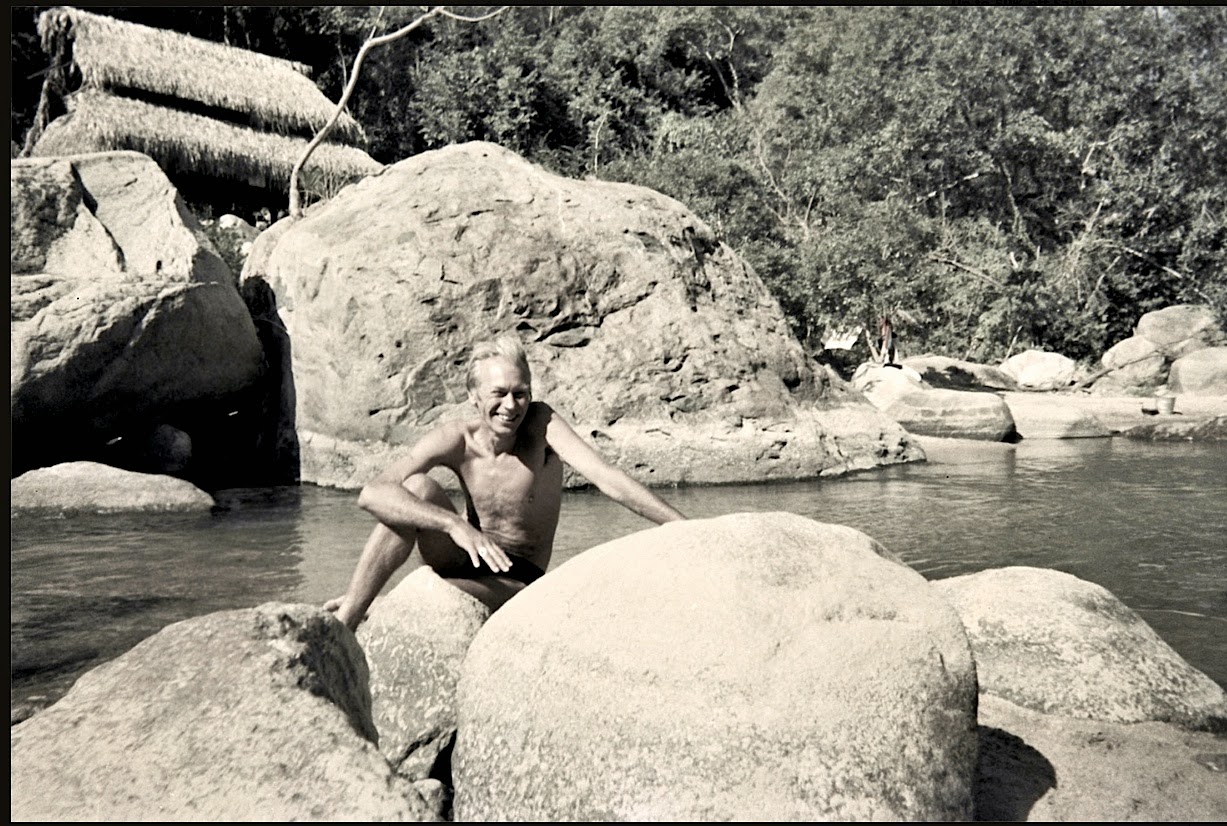


There are some old beach and PV pics, too. Enjoy going back in time.


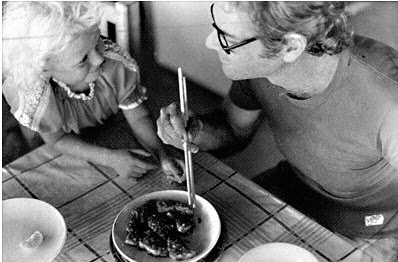

Wednesday, September 17, 2014
I'm sorry there have been no posts in 2014. I am waiting for promised stories, but, I guess, everyone is too busy with life. This is good, no?
As for myself, I finally put together a website for my art and include it here.
Those of you asking me to connect you with people from the past, I did the best I could. If you ask again, I'll try again.
As for myself, I finally put together a website for my art and include it here.
Those of you asking me to connect you with people from the past, I did the best I could. If you ask again, I'll try again.
Thursday, December 12, 2013
Adventures of a Technical Mexican
I invite you to check out Jesse Rose Roberts blog. Jesse grew up in Yelapa and has returned to live and run the B & B Los Suenos along the trail in Yelapa. I knew her folks Jerry and MaryBeth and marvelled that their kids could live freely in such a magical place.
http://technicalmexican.blogspot.mx/2011/12/blogged-for-first-time.html
http://technicalmexican.blogspot.mx/2011/12/blogged-for-first-time.html
Cliff Barney Spins a Tale
Drop in on Carolina McCall Art and more of Cliff Barney's tale of meeting Peggy.
http://carolinamccall.com/blog/68987/the-two-peggys-and-the-three-sheet-shuffle
http://carolinamccall.com/blog/68987/the-two-peggys-and-the-three-sheet-shuffle
Sunday, December 8, 2013
MICHAEL A. ROBINS Obituary
MICHAEL A. ROBINS 1936-2013 In his own words The Dove Elusive, uncanny bird Withdrawn to a high twig of pine, Still as a noonday shadow, Cooing in the pace of lament, Sighs counted for the fallen, For those who said their last word And will not waken To sunrise tomorrow. Survived by his loving wife, Maureen Curran Robins, his son Nico Robins and wife Melissa, and the mother of his son, Donna Rae Peth. In his memory, please perform an act of kindness.
Published in Santa Fe New Mexican from Nov. 6 to Nov. 8, 2013
Wednesday, November 27, 2013
Spelling Can Be So Important!
Cliff Barney was asking if I knew someone named Peggy Mandel...I told him her last name was Muendel and it sounds like the very same Peggy to me. Great story from Cliff!
i did know peggy, in a special way.when carolina got to yelapa, i was still working in silicon valley. i arrived about a year later and we set up shop at casa ventana; and she told me about a friend of hers whom i might like — peggy mandel. we visited her one afternoon and had a great time. peggy and i took to each other immediately; i liked her enormously, and we talked nonstop for several hours, during which time her dogs, of whom there were several, frolicked about. they were very friendly and i spent much time playing with them, scratching their ears, etc. when i got home that night i was overtaken by a bout of itching like none i had ever experienced. i wanted to jump out of my skin, it was so bad. the only thing that affected it was to stand in a shower so hot i could hardly stand it - but anything, even being boiled alive, was better than the itch!
we looked it up in the merck manual, and decided that i had sarcoptes scabiei, or scabies. of course carolina got it immediately from me, and we fought it for the next several weeks. nothing seemed to work against it until we finally found a solution: we covered ourselves in noxema cream and did not bathe for two weeks. during that time we changed our sheets every day. we took the sheets from the bed and put them in buckets of bleach; we took the sheets that had been bleaching and hung them on the line, and we took the ones on the line and put them on the bed. we called this routine the “three-sheet shuffle.” i wrote a demented poem about it and we made it a big joke in our lives. but despite the real affection i felt for peggy, i never dared to go to her house again, and in fact never saw her again since she rarely went out. i always regretted this, but i never risked another bout. (vets will tell you that humans don’t get scabies from dogs, but we knew better.)
now, it happens that when i was an undergrad at dartmouth, my roommate, who was editor of the college newspaper, got a letter from a fellow named jerry tallmer, who had been several classes ahead of us and was a legendary editor of the paper, having restarted it after the war. he was then working at the nation, and he invited ted to visit him in new york. i tagged along and met jerry and his then wife, peggy, a young, slim, very attractive woman who swore like a sailor. they were both very kind to us, a couple of undergraduate bozos - introduced us to their friends in the village and even let me stay at their apartment when i was in town, which was as frequently as i could make it. i went to their parties and met jackson pollock at one of them. he made a pass at peggy and she told him to fuck off.
later i lost touch with them and though i heard that jerry had helped found the village voice, which i read later when i lived in new york, i never saw either of them again. (peggy wrote a shopping column for the voice for a while. jerry is still alive, full of years and honors - he had a great journalistic career in new york.) i did hear that he and peggy had separated, and i always wondered what became of her. i had been attracted to her even then, but basically i was afraid of her - she seemed so capable and familiar with the new york scene, and i was a yokel from new hampshire.
so last night, in a fit of nostalgia, i googled “peggy tallmer,” and was led to a column by jerry in which he revealed that her full name was “peggy meundel tallmer.” i then googled “peggy meundel” and was led to raicilla dreams.
now i always supposed that the peggy i had met here spelled her name “peggy mandel,” because that was the way everyone pronounced it. but from the few items i read about “peggy meundel,” i suspect that she must have been peggy tallmer once.
abrazos.......cliff barney
Tuesday, July 9, 2013
Art as Medicine
Read my interview wih Cliff Barney on his blog below and be sure to view Caroline McCall's artwork that hosts the blog. http://carolinamccall.com/blog
Tuesday, June 4, 2013
Stories From the Baile
In the 70's in Yelapa there was virtually zero "night life", in fact, I think most people were asleep by about 9 or 10pm at the latest on a regular basis. Occasionally there was a "dance" at the local "meeting hall" on Sunday evenings. I think it was mostly for the kids and it definitely was primarily the Yelapa locals, but it being an "unusual" event, most of the ex-pats would show up and were welcomed. There was an old style "box" record player like you had when you were a kid, and there was a generator running somewhere out back because there was electricity, lights and music, etc.
The local kids would ask a girl to dance and it was all very Jr. High School in tone, but the kids seemed to be having fun. The kids would be dancing and then something always happened that took me a while to figure out what was going on.... the grandmother (usually) of the girl that was dancing would walk up to the boy and tap him on the shoulder and the boy would stop dancing and the girl would look mildly uncomfortable... the boy would dig in his pockets and hand the grandmother something and she would go away and the kids would start dancing again. This happened on every dance and with every local couple and I was not sure of what was going on, but I would watch this take place with fascination until I couldn't stand it any longer.
I got up from where I was sitting and asked one of the local men I knew ( I don't remember whom), what was going on. He explained to me that the grandmother was getting a peso or three from the boy for the privilege of dancing with the girl. They called it a tostone or as I later learned, that is the slang word for tip in Spanish. How about that... Taxi Dancers in Yelapa! These dances took place according to what schedule I never did figure out, but everyone in the village always seemed to know when one was going occur. The majority of the town would be there with lots of Raicilla and beer to be had for all!
Leaving this event and walking home on Shit Trail at night was always an exciting time as well. You never knew what you were going to run into along the trail from the giant pig we called Big Ugly to local men lying in the dirt very, very drunk. It was on this night that one of the strangest things I have ever seen came into my view. There was a place on the trail after you left town where there was a big rock that was on the side of the trail and leaning up against this rock was a very drunk Yelapan with a small burro backed up against him... both of them were making a lot of noise and it took me a minute to focus and realize what I thought was going on was really going on! Incredible! It totally gave me a new appreciation for the relationship between the locals and their burros. Obviously it impressed me as I still remember it very vividly 35 or so years later!...Tony Collins
Monday, June 3, 2013
And the Winner Is....
...a short Raicilla story for you:
My business partner Graham G. from Toronto and I had been hanging out at Casa de Alacron for quite a while and we had gotten into a rut. We would go to Juan Cruz's store almost daily and buy a jar of Aladin Crema de Cacahuate and one of the homemade Pan Mangere (SP?) loafs and get a couple of bottles of Eliadoro's Raicilla... in those days you had to bring your own bottles to get them filled from his gas cans that he had carried down the mountain from Chacala; you didn't want to lose your bottles! This would be our dinner, we had gotten too lazy to cook, too lazy to fish, and otherwise too lazy to leave our hammocks for very long. We wouldn't even both go to the store and it was usually me because my Spanish was better.
So after eating our peanut butter and bread we would proceed to drink our bottles of Raicilla, as these were liter bottles, this would take around 3 to 4 hours to finish the bottle and you needed the peanut butter and the bread to help absorb the liquor. As the bottle was finished, it became a ritual that we would rub the bottles vigorously until they were hot and then torch the top of the bottle off with a lighter. If the Raicilla was good that week (it was often better or worse from week to week and I am pretty sure that Eliadoro would "cut" it for both profit and safety's sake.)...you would get a flame like a blow torch jumping out of the top of the bottle and a WHOOMP noise that was just great.
The point of this exercise was of course, to determine whom would get the biggest flame and WHOOMP. In order to even qualify for the competition, your flame had to jump at least 6 inches out of the bottle or you were disqualified. A winning flame would be 10 inches or better...There would be much debate as to whom was able to get the most spectacular flame and WHOOMP and thus, we had to bring in 3rd party judges to declare the winner. As there were generally from 4 to 8 people staying with us at the house, there were no shortages of judges, until the judges would try to become contestants. That did not happen often... you had to be able to finish your bottle in one evening, a feat, that not just anybody could do.
I was generally but not always the winner of this endurance contest and I guess that makes me THE BIGGEST LOSER! to use the parlance of the day. Thankfully my liver still functions and we only did this for a couple of months straight before we decided that we were overindulging in the Raicilla just a bit......Tony Collins
Subscribe to:
Posts (Atom)